If you’ve been searching for a cosmetic nurse or cosmetic doctor in Sydney, you’ve probably noticed that practitioners come with a wide range of titles, qualifications and backgrounds. Many people type searches like “best cosmetic injector Sydney” or “best cosmetic doctor Sydney” into Google, but in Australia, AHPRA advertising guidelines actually prohibit any registered health practitioner from claiming to be the “best”. The TGA also prohibit advertising terms for aesthetic medicine, such as “injector”.
Whether you’re considering a consultation in Surry Hills, Mosman, Penrith, or anywhere across Sydney, this guide explains the genuine differences between cosmetic nurses and cosmetic doctors in Australia – their qualifications, scope of practice, and what to look for when making your decision.
What Is a Cosmetic Nurse in Australia?
A cosmetic nurse is a Registered Nurse (RN) who has completed a Bachelor of Nursing and is registered with AHPRA. Before entering aesthetic medicine, Registered Nurses must have a minimum of one year of full-time general nursing experience – a requirement introduced in September 2025.
Some cosmetic nurses pursue further postgraduate qualifications such as a Graduate Diploma of Cosmetic Nursing, a Graduate Certificate in Cosmetic Nursing, or a Master of Nursing with a clinical focus in aesthetic medicine, though these are not currently mandated by AHPRA.
Registered Nurses must work with an AHPRA-registered medical practitioner who conducts the consultation and issues the authorisation for any aesthetic medical treatments, ensuring every treatment is administered within a medically supervised framework. This is not a limitation, it is a safety standard that ensures appropriate medical oversight for every patient. Select Nurse Practitioners who meet specific AHPRA criteria may prescribe aesthetic medicines independently without the oversight of a medical practitioner.
What Is a Cosmetic Doctor in Australia?
A cosmetic doctor has completed a Bachelor of Medicine and Bachelor of Surgery (MBBS) and is registered with AHPRA as a medical practitioner. Like cosmetic nurses, formal postgraduate qualifications in aesthetic medicine are not mandated, and the depth of training can vary significantly between practitioners.
Cosmetic doctors can prescribe aesthetic medicines independently without requiring a separate prescribing arrangement.
Key Differences Between Cosmetic Nurses and Cosmetic Doctors
| Cosmetic Nurse (RN) | Cosmetic Doctor | |
|---|---|---|
| Base qualification | Bachelor of Nursing | MBBS (Medicine) |
| AHPRA registration | Nursing & Midwifery Board | Medical Board |
| Prescribing | Under authorised medical practitioner (select NPs may prescribe independently) | Independent prescribing |
| Postgraduate study | Graduate Diploma, Graduate Certificate, Master of Nursing (not mandatory) | FACAM, dermatology, plastics (not mandatory) |
| Clinical setting | Medical clinic or specialist practice | Medical clinic or specialist practice |
| Scope of practice | Non-surgical aesthetic treatments | Non-surgical and selected surgical |
What Both Must Have in Common
Regardless of whether your practitioner is a nurse or a doctor, there are non-negotiable standards every patient should look for:
1. Current AHPRA Registration Every practitioner administering cosmetic medical treatments in Australia must hold current, unrestricted AHPRA registration. You can verify any practitioner’s registration at ahpra.gov.au.
2. Relevant Training and Qualifications Formal postgraduate qualifications in aesthetic medicine are not currently mandated by AHPRA for either nurses or doctors. Some practitioners enter the field after completing short industry training courses, meaning the depth of education can vary significantly between practitioners. When choosing a practitioner, ask specifically about their qualifications and ongoing education, not just their base registration.
3. A Thorough Consultation Process A qualified practitioner – nurse or doctor – will always conduct a comprehensive facial assessment before any treatment discussion. This includes reviewing your medical history, assessing facial anatomy, discussing your concerns and goals, and explaining all relevant information to support your informed decision.
4. A Clinical Setting With Appropriate Oversight Patient safety means working within scope, with appropriate supervision and access to emergency protocols and equipment. Whether you choose a nurse or a doctor, their clinical environment should reflect a genuine commitment to patient safety, not just aesthetics.
5. Commitment to Ongoing Education Ongoing education is not just recommended, it is a requirement under AHPRA’s professional standards. Ask your practitioner about their continuing professional development and any training they’ve completed beyond their base qualification.
What to Ask Before Booking
When researching any cosmetic nurse or doctor in Sydney, these are the questions worth asking:
- What is your AHPRA registration number and can I verify it?
- Do you hold any postgraduate qualifications in aesthetic medicine?
- What clinical setting do you work in and who provides medical oversight?
- How do you manage complications if they arise?
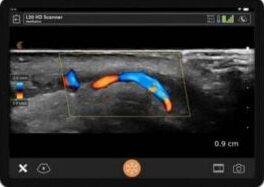
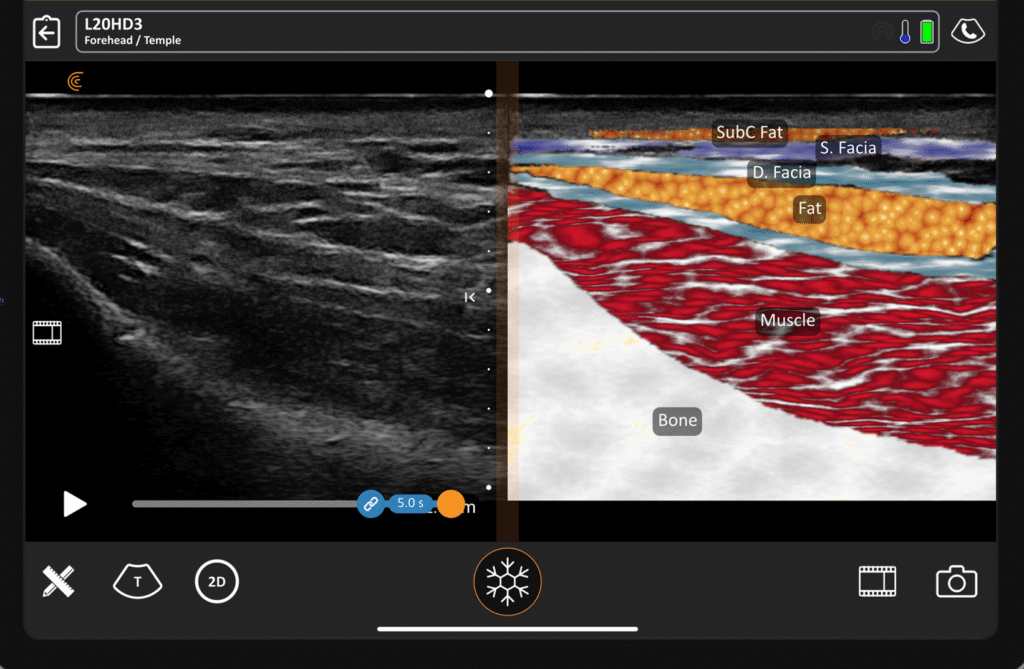
- Do you use any additional technologies such as aesthetic ultrasound?
- What does your consultation process involve before any treatment?
A practitioner who answers these questions transparently and without hesitation is demonstrating exactly the kind of professionalism you should be looking for.
This blog post is intended as general educational information only. It does not constitute medical advice. All cosmetic procedures carry risks and benefits that should be discussed with a qualified, AHPRA-registered practitioner during a thorough consultation.
Frequently Asked Questions
Yes, provided the nurse holds current AHPRA registration, works within their scope, in an appropriate clinical setting, and with medical oversight.
A Registered Nurse performing cosmetic treatments must hold current AHPRA registration. Formal postgraduate qualifications are not currently mandatory for both nurses and doctors.
Registered Nurses must work with an AHPRA-registered medical practitioner who can authorise aesthetic treatments. Select Nurse Practitioners who meet specific AHPRA criteria may prescribe independently.
No. Currently, there is no mandatory formal training for both nurses and doctors. Most nurses and doctors enter the field after completing the same short industry-training courses.
Both can achieve similar aesthetic outcomes when appropriately trained and practising within their scope. The quality of your outcome depends on a practitioner’s specific training, experience, anatomical knowledge, assessment approach, their aesthetic eye, and technique, than whether they hold a nursing or medical degree.
AHPRA advertising guidelines prohibit registered health practitioners from using testimonials, comparative claims, or superlatives such as “best” in their advertising. This exists to protect the public from misleading health advertising.
Verify AHPRA registration at ahpra.gov.au, look for relevant postgraduate qualifications, check that they consult within a medically supervised clinical setting, and ensure their consultation process involves a thorough facial assessment before any treatment discussion.