Facial Slimming Consultations Sydney | What Causes a Wider Jawline?
- Consultation and Safety General
- August 4, 2026


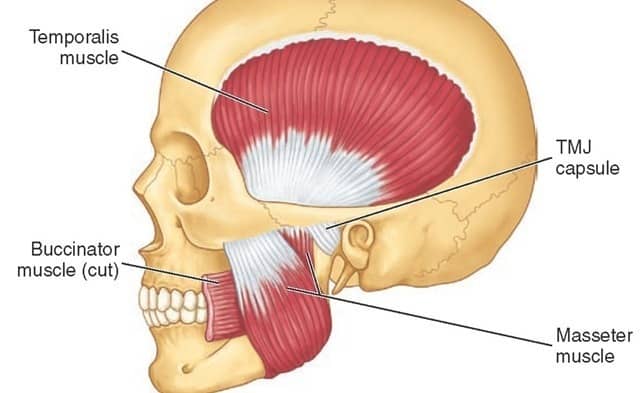
A wider or more square jawline can be caused by several factors, including naturally strong jaw muscles, genetics, facial bone structure or facial fat. Because the underlying cause varies from person to person, there is no single treatment that suits everyone. A consultation allows your facial anatomy, muscle strength and treatment goals to be assessed so the most appropriate management options can be discussed.
Looking for the cost of facial slimming in Sydney? While many people search for pricing first, treatment costs depend on your facial anatomy, muscle strength and individual assessment. Understanding the cause of a wider jawline is the first step before discussing suitable management options.
People also ask:
- What causes a square jaw?
- Can teeth grinding make your face wider?
- Does facial slimming remove fat?
- How long does facial slimming take?
What causes a wider jawline?
Many people seeking facial slimming believe the fullness of their lower face is caused by excess fat. In reality, a wider jawline can result from several different anatomical factors.
These include:
- Naturally wider jaw bone structure
- Enlarged chewing muscles (masseter hypertrophy)
- Facial fat distribution
- Overall facial proportions
- Genetics
The first step is determining which structure is responsible for the appearance of the jaw before discussing whether any treatment is appropriate.
At MD Cosmetic Nurse, consultations focus on understanding facial anatomy rather than treating every patient the same way. Learn more about jawline anatomy on our jawline definition page.
Can jaw clenching or teeth grinding make your jaw wider?
Yes.
One of the most common reasons patients seek a consultation is because of long-term jaw clenching or teeth grinding (bruxism).
Over time, repeatedly clenching the jaw can cause the masseter muscles to become larger and stronger, similar to how other muscles in the body increase in size with regular exercise.
Some patients notice:
- A more square facial shape
- A wider lower face
- Jaw muscle tenderness
- Morning headaches
- Teeth grinding while sleeping
- Muscle fatigue when chewing
Many patients are referred by their dentist after being diagnosed with bruxism or jaw clenching.
How do I determine what is causing jaw width?
Every consultation begins with a comprehensive facial assessment.
One of the first things I assess is whether the width is actually coming from the chewing muscles.
I ask patients to gently clench their back teeth together while I examine both the masseter and temporalis muscles. This helps determine whether muscle enlargement is contributing to the appearance of the lower face.
I also assess:
- Facial proportions
- Chin projection
- Side profile
- Bone structure
- Existing facial volume
- Skin quality
- Medical history
- Previous cosmetic treatments
- Patient expectations
Not every square jaw is caused by enlarged muscles.
Some people naturally have wider jaw bones, while others have fullness related to facial fat. In these situations, management options may be very different. Aesthetic ultrasound can determine the difference between muscle, bone, and fat.
Facial slimming isn’t about making every face smaller
One of the biggest misconceptions I see is that facial slimming removes fat from the face.
It doesn’t.
Facial fullness may be caused by facial fat or bone structure rather than enlarged muscles.
This is why assessment is far more important than simply requesting a particular treatment.
Why facial proportions matter
A consultation isn’t just about looking at the jaw in isolation.
I assess the face as a whole.
Interestingly, enlarged chewing muscles can sometimes make the chin appear smaller than it actually is.
When the lower jaw becomes broader, it can reduce the visual projection of the chin, creating the illusion of a shorter or less defined lower face.
Similarly, if the jaw becomes wider than the cheekbones when viewed from the front, facial balance can change considerably.
Looking at facial proportions rather than a single feature allows a treatment plan to be individualised to each patient.
What if jaw clenching or TMJ is the main concern?
Some patients attend because of jaw pain rather than facial appearance.
If symptoms suggest jaw clenching, teeth grinding or temporomandibular joint (TMJ) dysfunction, I discuss whether they have already been assessed by their dentist or another healthcare practitioner.
TMJ disorders can have multiple underlying causes, so an appropriate dental or TMJ assessment may be recommended before discussing options during a consultation.
Depending on the individual, management may also involve:
- A dentist
- A TMJ practitioner
- A physiotherapist for muscle release techniques
- A custom mouth guard
- Lifestyle modifications to reduce clenching habits
This collaborative approach helps ensure treatment recommendations are appropriate for the underlying cause.
Setting realistic expectations
Another important part of a consultation is discussing realistic expectations.
Patients often expect facial slimming to happen immediately.
In reality, changes occur gradually over several weeks.
Some patients begin noticing subtle changes after approximately four to six weeks, with peak facial slimming often occurring at around eight weeks.
I also explain that results vary between individuals and that a small percentage of patients may respond differently.
Skin quality also influences treatment planning
One aspect that is often overlooked is skin quality.
Patients with thinner or more lax skin require careful assessment because reducing muscle volume too quickly may increase the appearance of skin laxity in some individuals.
For this reason, treatment planning should always consider the quality of the overlying skin, not simply the size of the muscle.
This is one reason why every face requires an individual assessment rather than a standardised approach.
Is facial slimming right for everyone?
No.
Sometimes patients believe facial slimming will reduce fullness caused by facial fat or recent weight gain.
In these situations, a consultation may identify that a different approach is more appropriate.
One of the most important parts of my role is helping patients understand why they are seeing a particular facial change before discussing whether a treatment is suitable.
Final thoughts
A wider jawline isn’t always caused by enlarged chewing muscles.
It may be related to genetics, bone structure, facial fat or muscle enlargement from long-term clenching and grinding.
Understanding the underlying cause is the most important step before considering any management options.
A consultation allows facial anatomy, muscle strength, facial proportions and treatment goals to be assessed so recommendations can be tailored to the individual rather than applying a one-size-fits-all approach.
Frequently Asked Questions
Long-term jaw clenching and teeth grinding (bruxism) can cause the chewing muscles to become larger over time. Genetics and normal facial anatomy also influence muscle size.
No. If facial fullness is caused by fat or bone structure, alternative treatment options may be discussed.
Yes. Long-term clenching or grinding can cause the chewing muscles to enlarge, creating a broader or more square lower face.
If your primary concern is jaw pain, teeth grinding or TMJ symptoms, assessment by your dentist or another appropriate healthcare practitioner is recommended before booking a consultation.
Treatment costs cannot be determined without an assessment because facial anatomy and individual treatment requirements vary considerably from person-to-person. Pricing is discussed during a consultation once suitability has been assessed.
How long does facial slimming take?
Changes occur gradually rather than immediately. Some people notice subtle changes after four to six weeks, with peak facial slimming often occurring around eight weeks after treatment.