What Is The Best Treatment For Dark Circles Under Eyes?
- Uncategorized
- June 1, 2026


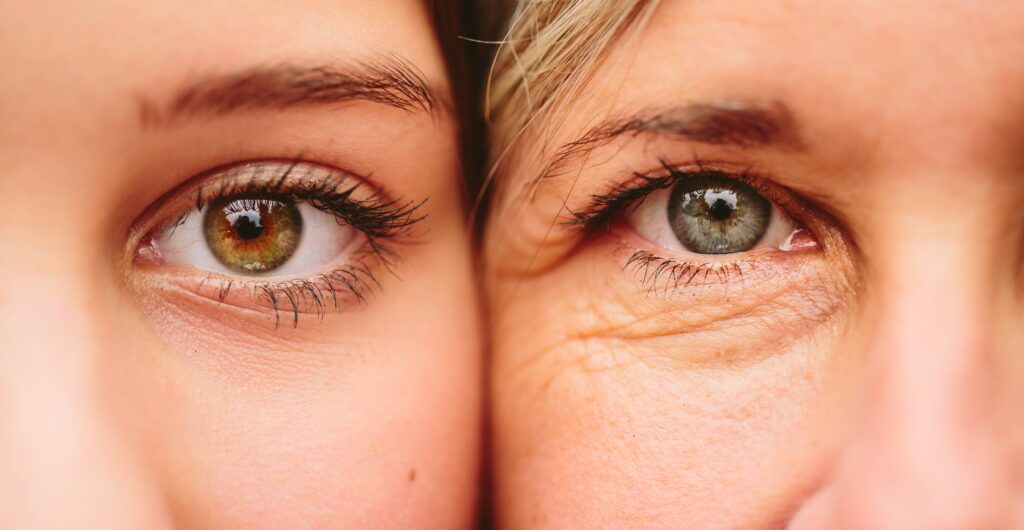
There is no single best treatment for dark circles under the eyes. The most appropriate approach depends on whether the concern relates to pigmentation, hollowness, vascular appearance, or skin quality.
Dark circles under the eyes are one of the most common concerns discussed during cosmetic consultations. Despite how common they are, there is rarely one universal “best” treatment.
This is because dark circles are not a diagnosis — they are a visual sign that can have multiple contributing causes.
For some people, the appearance of dark circles relates to pigmentation. For others, volume loss beneath the eye creates shadowing. In some cases, visible blood vessels, skin quality, ageing changes or lifestyle factors may all contribute.
Understanding the underlying cause is often more important than choosing a treatment first.
At MD Cosmetic Nurse, under-eye consultations in Sydney focus on individual assessment of facial structure, skin quality and ageing patterns to help determine which options may be most appropriate for each individual’s cause for dark circles.
You can learn more about assessment of this area on the Under Eye & Tear Trough page.
What Causes Dark Circles Under The Eyes?
The under-eye area is one of the earliest areas of the face to show signs of ageing due to its unique anatomy.
Contributors to under-eye dark circles may include:
- Tear trough hollowing and shadowing
- Pigmentation (brown discolouration)
- Visible blood vessels (vascular appearance)
- Thin under-eye skin
- Mid-face volume changes
- Sleep deprivation and lifestyle factors
- Genetics
- Skin laxity and wrinkles
- Allergies or chronic rubbing
Many people actually have more than one contributing factor.
This is why identifying the underlying cause is often the most important step.
You can also explore Eye Wrinkles and Facial Aging for more information about changes that occur around the eye area over time.
1. Skincare For Pigmented Under-Eye Dark Circles
When pigmentation contributes to dark circles, treatment may focus on improving skin quality and reducing visible discolouration.
Depending on the individual, approaches may include:
- Daily broad-spectrum sunscreen
- Vitamin C
- Retinoids (if appropriate)
- Barrier support
- Pigment-targeting ingredients
- Medical-grade skincare guidance
Topical approaches may support skin quality but generally have limitations where volume loss or vascular changes are contributing.
2. Lifestyle Factors That Can Influence Dark Circles
Lifestyle factors may influence under-eye appearance.
These may include:
- sleep quality
- hydration
- allergies
- smoking
- stress
- sun exposure
While lifestyle alone does not explain all dark circles, these factors can sometimes worsen the appearance of existing concerns.
3. Tear Trough Assessment For Hollow Under Eyes
Some under-eye concerns are less about colour and more about shadow.
As facial structure changes over time, support beneath the under-eye area may change, creating a hollow appearance that can appear darker depending on lighting and facial anatomy.
Assessment of this area often includes:
- under-eye anatomy
- cheek support
- skin thickness
- facial proportions
- side profile
- existing treatments
- overall facial balance
This is why treating the under-eye area in isolation may not always address the underlying cause.
Learn more about adjacent facial support on the Cheeks page.
4. Rejuran For Skin Quality Around The Eyes
When skin quality and thin under-eye skin are contributing factors, treatment approaches that focus on skin quality may sometimes be discussed.
Rejuran is increasingly discussed for improving skin quality and supporting tissue appearance rather than adding volume.
Potential consultation considerations may include:
- thin crepey skin
- overall skin quality
- fine lines
- under-eye texture
You can read more on the Rejuran page.
5. PRP (Platelet-Rich Plasma) For Under-Eye Appearance
PRP is another option commonly discussed for skin quality concerns.
It uses components derived from the patient’s own blood and is sometimes explored for:
- skin quality
- texture
- overall rejuvenation
Suitability varies between individuals and treatment planning should consider realistic expectations and underlying anatomy.
Why There Is No Single “Best” Under-Eye Treatment
Patients often ask:
“What is the best treatment for dark circles?”
The more helpful question is:
“What is causing my dark circles?”
Two people with similar-looking under eyes may require completely different approaches.
For example:
Patient A
Thin skin + visible vascular appearance
May benefit from skin-quality focused approaches.
Patient B
Mid-face volume changes + tear trough shadowing
May require assessment of facial support and proportions.
Patient C
Pigmentation + skin texture
May benefit from skincare and skin-focused strategies.
This is why assessment matters.
Why Consultation Matters More Than Guessing
The under-eye area is one of the most anatomically complex regions of the face.
At MD Cosmetic Nurse, consultations at Surry Hills, Mosman and Penrith take a facial assessment approach rather than assuming one treatment suits every patient.
Assessment may include:
- under-eye anatomy
- facial proportions
- skin quality
- existing treatments
- facial balance
- ageing patterns
- treatment goals
The goal is to understand the face as a whole rather than treating dark circles as a single diagnosis.
You can explore:
Frequently Asked Questions
Dark circles may be caused by pigmentation, hollowing, visible blood vessels, thin skin, ageing changes, genetics or lifestyle factors. More than one cause may contribute at the same time.
There is no single best treatment. The most appropriate approach depends on whether the appearance relates to pigmentation, hollowness, vascular appearance, skin quality or facial structure.
Skincare may support concerns related to pigmentation and skin quality but may have limitations if shadowing or structural changes are contributing.
Ageing may contribute through changes in skin, fat and facial support, however genetics and other factors also play a role.
Tear trough hollowing refers to changes beneath the under-eye area that can create shadowing and contribute to a tired appearance.
Rejuran is generally discussed in relation to skin quality and tissue appearance rather than adding volume. Suitability varies between individuals.
PRP is commonly explored for skin quality concerns. Whether it is appropriate depends on assessment and treatment goals.
Shadowing created by facial structure, volume changes and skin thickness can alter how dark circles appear depending on lighting and viewing angle.
The cheeks and under-eye region are closely connected anatomically and changes in mid-face support may influence under-eye appearance.
Different causes can appear visually similar. Assessment helps determine whether the concern relates to pigmentation, skin quality, volume changes or other contributing factors.