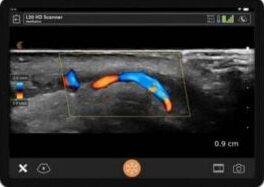
Why Aesthetic Ultrasound Is an Important Tool in Consultations

Aesthetic consultations are increasingly focused on safety, precision, and individual anatomy. As facial assessment becomes more sophisticated, ultrasound technology has emerged as a valuable tool to support deeper anatomical understanding in selected cases.

While ultrasound is not required for every consultation, its use reflects a commitment to evidence-based, anatomy-led aesthetic care.

Understanding the Complexity of Facial Anatomy

The face contains a complex network of muscles, blood vessels, fat pads, and connective tissue layers. These structures vary significantly between individuals and change over time due to ageing, previous treatments, and natural anatomical differences.

Visual assessment alone does not always provide complete information about what lies beneath the skin. Ultrasound allows clinicians to visualise underlying structures in real time, supporting a more informed assessment.

What Is Aesthetic Ultrasound?

Aesthetic ultrasound is a non-invasive imaging technique used to view soft tissue structures beneath the skin. It can help identify:

  • Blood vessels and their depth
  • Fat compartments
  • Muscle
  • Bone
  • Foreign body implants, where relevant

This information supports safer planning and more personalised consultation discussions.

When Ultrasound May Be Used During a Consultation

Ultrasound is not necessary for every patient or every concern. It may be considered when:

  • There is complex facial anatomy
  • Previous treatments have been performed
  • Additional anatomical clarity is beneficial
  • Safety considerations require further assessment

The decision to use ultrasound is made on an individual basis as part of a comprehensive consultation.

Ultrasound and Patient Safety

Safety is central to aesthetic care. By improving anatomical understanding, ultrasound can support:

  • More informed treatment planning
  • Identification of high-risk areas
  • Increased confidence in anatomical decision-making

Its use reflects a careful, assessment-led approach rather than a standardised or routine protocol.

Why Ultrasound Supports Consultation-Led Care

Current regulatory frameworks emphasise that decisions involving prescription-only medications must be made by a qualified health professional in consultation with the patient.

Ultrasound aligns with this model by:

  • Supporting personalised assessment
  • Reinforcing treatment decisions on individual anatomy
  • Reducing reliance on assumptions or trends

This approach prioritises education, suitability, and individualised care.

Final Thoughts

Ultrasound is not about offering more treatment — it is about understanding anatomy more clearly. When used appropriately, it supports more informed aesthetic consultations and reflects a commitment to evidence-based practice.

If you’re considering a consultation for volume loss consultation, ultrasound technology can support a personalised anatomy assessment, discussing suitability, treatment options, and individual considerations.

Frequently Asked Questions

Is ultrasound used for every aesthetic consultation?

No. Ultrasound is used selectively when additional anatomical information is helpful. Its use depends on individual anatomy, history, and clinical considerations.

Does ultrasound replace a physical facial assessment?

No. Ultrasound complements, rather than replaces, clinical assessment. Visual examination, palpation, and discussion remain essential components of a consultation.

Is aesthetic ultrasound safe?

Ultrasound is a non-invasive imaging tool commonly used in medical settings. When used appropriately, it is considered safe and well tolerated.

Why is ultrasound not offered routinely by all clinics?

Ultrasound requires specialised training, experience, and equipment. Its use reflects a practitioner’s commitment to anatomy-led and safety-focused care.

Can ultrasound improve treatment outcomes?

Ultrasound supports informed decision-making by improving anatomical understanding. This can enhance safety and planning, but outcomes always depend on individual factors and suitability.


Why a Thorough Facial Assessment Matters Before Aesthetic Treatments

Aesthetic concerns are often visible on the surface, but the factors contributing to them lie much deeper. Facial structure, anatomy, skin quality, and individual variation all influence how ageing presents and how it should be approached.

For this reason, a thorough facial assessment is an essential first step before considering any aesthetic treatment. Assessment-led care supports informed decision-making, patient safety, and outcomes that respect individual facial balance.

Facial Anatomy Varies From Person to Person

No two faces are the same. Facial anatomy differs in bone structure, fat distribution, muscle activity, and vascular patterns. These differences influence how ageing occurs and how aesthetic concerns present.

What may be suitable for one person may not be appropriate for another. A facial assessment allows these individual differences to be evaluated before discussing treatment options.

Why One-Size-Fits-All Approaches Are Not Appropriate

Aesthetic treatments should never be based on trends or assumptions. Treating isolated areas without understanding the broader facial structure can lead to imbalanced or short-lived results.

A comprehensive assessment considers:

  • Facial proportions and symmetry
  • Volume distribution and structural support
  • Skin quality and elasticity
  • Muscle movement and expression
  • Relevant medical history

This approach ensures recommendations are tailored, appropriate, and aligned with long-term facial harmony.

The Role of Medical History in Aesthetic Consultations

Medical history plays an important role in aesthetic care. Certain conditions, medications, or previous treatments may influence suitability or require modified approaches.

Reviewing medical history as part of a consultation supports patient safety and helps guide evidence-based recommendations.

How Ultrasound Supports Facial Assessment

In selected cases, ultrasound-guided assessment may be used to visualise underlying facial structures such as vessels, fat pads, and tissue planes. This additional layer of assessment supports anatomical understanding and may enhance safety when planning aesthetic care.

Ultrasound is not required for every patient, but when used appropriately, it reflects a commitment to precision, education, and contemporary clinical practice.

Why Consultations Are Central to Safe Aesthetic Care

Consultations provide the opportunity to:

  • Understand your concerns and goals
  • Assess suitability based on anatomy and health history
  • Discuss options in an educational, non-pressured setting
  • Plan care that prioritises safety and natural-looking outcomes

This consultation-led approach ensures that treatment decisions are made thoughtfully and professionally, rather than being driven by trends or assumptions.

Final Thoughts

A thorough facial assessment is not an extra step — it is the foundation of safe and appropriate aesthetic care. By understanding the underlying contributors to facial concerns, consultations support personalised recommendations and realistic expectations.

If you’re considering aesthetic treatment, a consultation provides an opportunity for a personalised assessment, discussing suitability, treatment options, and individual considerations.

Book a consultation.

Frequently Asked Questions

Why is a facial assessment important before aesthetic treatments?

A facial assessment evaluates anatomy, skin quality, volume distribution, and muscle movement. This helps identify the factors contributing to aesthetic concerns and supports appropriate treatment planning.

Can I choose a specific treatment without a consultation?

No. Treatment decisions involving prescription-only medications must be made by a qualified practitioner during a consultation, based on individual assessment and suitability.

What does a consultation involve?

A consultation includes discussion of your concerns, facial assessment, review of medical history, and education about suitable options. There is no obligation to proceed with treatment.

Does everyone need ultrasound during assessment?

No. Ultrasound is used selectively when additional anatomical information is helpful. Its use depends on individual anatomy and clinical considerations.

How does an assessment support natural-looking outcomes?

By understanding facial structure and balance, assessments help guide recommendations that respect natural expression and long-term facial harmony.

What to Expect During an Aesthetic Consultation in Sydney

Booking an aesthetic consultation is the first step toward understanding your facial ageing changes and exploring options for subtle, natural-looking improvements. During a consultation, a Registered Nurse will assess your facial structure, skin quality, and individual concerns, guiding you through evidence-based recommendations tailored to your goals.

What Happens During a Consultation

Aesthetic consultations should be thorough, personalised, and educational. Typical steps may include:

  • Medical history review: Understanding your health background ensures treatments are safe and appropriate.
  • Facial assessment: The nurse evaluates areas such as volume loss, fine lines, wrinkles, and skin hydration.
  • Discussion of options: Individual facial anatomy and your aesthetic goals will determine what treatment options are suitable for you. The nurse should take an evidence-based approach to proposed treatments.
  • Use of ultrasound (if needed): Ultrasound can visualise underlying facial structures, improving accuracy and safety for treatment planning.
  • Patient questions: You will be asked if you have any questions regarding procedures, risks, recovery, or expected outcomes.

Why a Consultation Matters

Consultations ensure that:

  • You will have a personalised treatment plan – not generic one-size-fits-all approach.
  • You must make an informed decision with proposed treatment plans, understanding their risks and treatment outcomes.
  • Patient safety must prioritised to help reduce the risk of potential complications.
  • Some treatments are not a stand alone treatment and may require numerous treatments over a period of time.
  • You understand treatment costs, including ongoing fees for additional treatments.
  • Results are natural-looking and balanced, aligned with your facial features and goals.
  • Have a complete understanding of the risks associated with treatments and the treatment outcomes

How to Prepare for your Aesthetic Consultation

To get the most from your aesthetic consultation:

  • Bring any relevant medical information.
  • Note your concerns or areas you’d like to improve.
  • Avoid facial treatments immediately before the appointment.
  • Come make-up free.
  • Arrive ready to discuss your expectations openly.

What You Can Expect After the Consultation

  • A personalised treatment plan or recommendation.
  • Clear guidance on suitability, timelines, and potential next steps.
  • Education about safe aesthetic practices.
  • Time to consider your options before proceeding with any treatment.

Frequently Asked Questions

What is an aesthetic consultation?

An aesthetic consultation is a one-on-one appointment with a Registered Nurse to review your facial structure, skin condition, and goals. It includes a personalised assessment, discussion of evidence-based options, and guidance on suitability for different treatments.

Do I need to decide on treatment during the consultation?

No. Consultations are educational and designed to help you make informed decisions. You can ask questions, review options, and consider your choices before committing to any treatment.

How long does a consultation take?

Typically, consultations last 30–60 minutes, depending on the complexity of the assessment and discussion. This allows adequate time for thorough evaluation and patient questions.

What should I bring to my consultation?

– Any relevant medical history
– A list of concerns or areas you wish to improve
– Questions about procedures, recovery, or outcomes

Does the consultation include ultrasound?

In selected cases, ultrasound may be used to visualise facial structures, improve treatment precision, and support safety. This is particularly useful for assessing volume loss, facial ageing changes, or planning complex treatments.

Will I receive a treatment plan?

Yes. After your consultation, you will receive a personalised plan outlining suitable options, timelines, pricing and next steps. You can proceed with treatment on the day, if appropriate and time permits, or you can take time to decide.

Understanding the TGA Cosmetic Medicine Advertising Changes

On 7 March 2024, the Therapeutic Goods Administration (TGA) updated the advertising guidelines for cosmetic medicine in Australia. These changes affect how nurses and doctors can communicate about treatments, pricing, and outcomes.

What the TGA Changed

Previously, practitioners could use indirect terms such as “anti-wrinkle injections” and “dermal fillers” to refer to prescription-only medications used in non-surgical cosmetic treatments. Direct references to brand names or ingredients were never permitted. The new TGA guidance removes the allowance for indirect terms.

The TGA also changed:

  • Advertising price lists for prescription-only medications is not permitted
  • Sharing before-and-after photos publicly is no longer allowed
  • Posting product testimonials or claims about medications is prohibited
  • Patients cannot self-select treatments online; prescribing decisions are solely made by the practitioner

The TGA states: “Decisions about treatments that involve the use of prescription medicines should only be made by a health professional in consultation with each individual patient.”

Business Name and Booking System Changes

The TGA also clarified that business names can be considered advertising. This is why the clinic name is now “MD Cosmetic Nurse”. Booking system labels for treatments must also be general consultations (e.g., Wrinkle Reduction, Volume Loss, Skin Hydration) rather than naming specific medications.

What This Means for Patients

Although public information about treatments, pricing, and before-and-after images is restricted:

  • Consultations remain available for all the same treatments I have provided for over 12 years
  • All treatment details, suitability, and options can only be discussed during a consultation
  • Reception staff cannot provide this information due to legal requirements; please do not be frustrated with them
  • If you have questions about bookings or consultations, you can contact me directly for guidance

These changes are designed to protect patients and ensure treatment decisions are personalised, and medically appropriate.

Why Book a Consultation

A consultation with MD Cosmetic Nurse ensures:

  • Individual assessment is tailored to your facial anatomy
  • Your facial concerns will be addressed
  • To identify expected treatment outcomes
  • Evidence-based recommendations, if deemed suitable
  • Risks, pricing and aftercare of treatments are thoroughly explained
  • Your make informed decisions to have a medical procedure

Book a Consultation today to discuss your individual needs.

Frequently Asked Questions

What changed in the TGA advertising guidelines in March 2024?

The TGA removed the allowance for indirect terms like “anti-wrinkle injections” and “dermal fillers” for cosmetic prescription-only medications. This means public advertising of product names, prices, before-and-after photos, and claims about prescription-only medications is no longer permitted.

Can I still see before-and-after photos online?

No. Before-and-after photos for prescription-only treatments can now only be shared during a consultation to comply with TGA regulations.

Can I book a specific treatment online?

No. Patients can now only book a general consultation, such as Wrinkle Reduction, Volume Loss, Skin Hydration, or Rejuran, because the prescribing decision is made by the practitioner during your consultation.

Why did MD Cosmetic Nurse change the business name?

The TGA considers business names as a form of advertising. To remain compliant, the clinic is now named MD Cosmetic Nurse, removing references to “injections” in the title.

Will these changes affect the quality of my consultation?

No. Consultations remain fully personalised and evidence-based. You will receive tailored treatment recommendations based on your anatomy, goals, and suitability.

Who can provide information about treatments or medications?

Only the Registered Nurse or practitioner during a consultation can discuss prescription-only medications. Reception staff cannot give this information due to legal restrictions.

Do these changes affect all cosmetic treatments?

They only affect treatments involving prescription-only medications. Non-prescription treatments or general advice can still be discussed freely such as Rejuran.