4 Causes of Under-Eye Dark Circles and Treatment Options
- Facial Ageing Skin Quality Research
- April 18, 2023


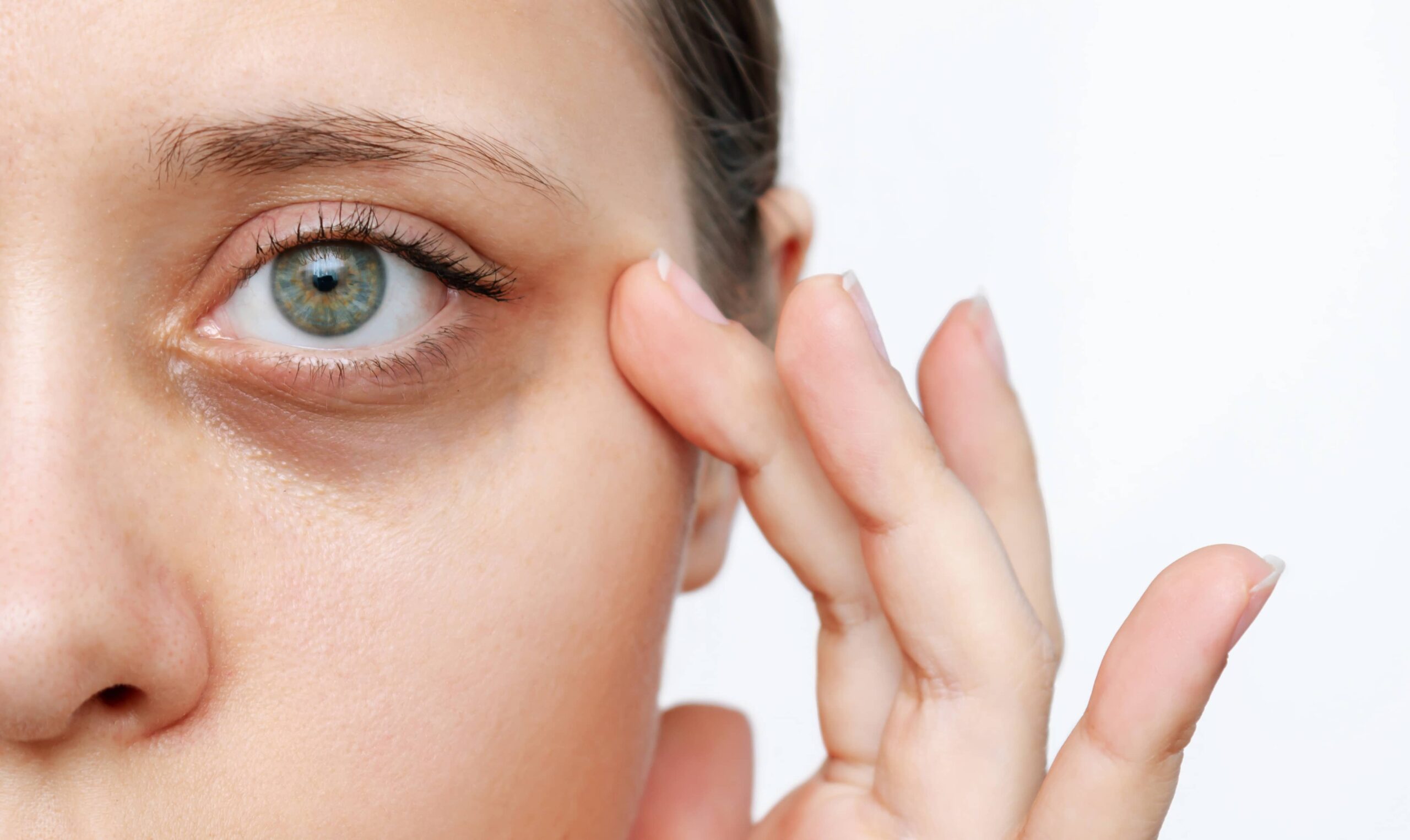
Dark circles under the eyes are a common concern and can be influenced by a range of anatomical and skin-related factors. Importantly, not all dark circles are caused by the same underlying issue, which is why a thorough assessment is essential before discussing potential management options.
Research into the causes of under-eye dark circles suggests that one or more contributing factors may be present at the same time. Understanding these factors helps guide appropriate consultation, education, and treatment planning where suitable.
A published clinical review identified four primary contributors to the appearance of dark circles under the eyes.
1. Hyperpigmentation
Hyperpigmentation refers to increased melanin in the skin beneath the eyes, which can create the appearance of darkening. This effect may be more noticeable when pigmentation occurs over prominent or bulging orbital fat pads, leading to increased shadowing.
Individuals with Fitzpatrick skin types IV, V, and VI are more commonly affected by pigmentation-related dark circles. In these cases, skin tone and pigment distribution play a significant role in overall appearance.
Management approaches for pigmentation concerns are discussed during consultation and depend on individual skin type, history, and suitability.
2. Thin or Translucent Under-Eye Skin
The skin beneath the eyes is naturally thinner than other areas of the face. When this skin becomes particularly thin or translucent, underlying vascular structures may become more visible, contributing to a darker appearance.
These vascular structures may include vessels within the subcutaneous tissue or the orbicularis oculi muscle. In some individuals, this anatomical feature is genetic, while in others it may become more apparent with age.
A consultation allows for assessment of skin thickness, vascular visibility, and contributing anatomical factors.
3. Skin Laxity and Shadowing
Ageing, sun exposure, and collagen breakdown can lead to reduced skin elasticity and firmness. As the skin becomes looser, shadowing beneath the eyes may increase, giving the appearance of dark circles even when pigment or vascular changes are minimal.
Assessment of skin quality and laxity forms part of a comprehensive facial evaluation, particularly when under-eye concerns are present.
4. Volume Changes and Tear Trough Hollowing
Changes in facial volume over time can contribute to hollowness beneath the eyes, commonly referred to as a tear trough. This may be influenced by subcutaneous fat loss, skin thinning, and ligamentous changes associated with ageing.
In some cases, displacement or prominence of orbital fat pads can further accentuate shadowing and contrast in the under-eye area. These volume-related changes are typically assessed as part of a broader facial volume and ageing consultation.
Why Assessment Matters
Because under-eye dark circles can result from multiple overlapping factors, management is rarely one-dimensional. A personalised consultation allows for detailed assessment of skin quality, anatomy, pigmentation, volume changes, and individual concerns.
This assessment-based approach supports informed discussion about suitability, expectations, and appropriate options, rather than applying a one-size-fits-all solution.
Reference
Ranu, H., Thng, S., Goh, B., & Burger, A. (2009). Periorbital hyperpigmentation in Asians: An epidemiologic study and proposed classification.
DOI: 10.1111/j.1524-4725.2009.01213.x
Frequently Asked Questions
Dark circles can be caused by pigmentation, thin skin, skin laxity, or changes in facial volume. Often, multiple factors are involved simultaneously.
No. Because causes vary, a personalised consultation is important to identify the contributing factors before discussing suitable options
Yes. Age-related changes in skin thickness, elasticity, and facial volume can contribute to the appearance of dark circles over time.
An experienced assessment evaluates skin, anatomy, and volume to guide safe and personalised discussion of potential treatment approaches.